Physical Address
304 North Cardinal St.
Dorchester Center, MA 02124
Physical Address
304 North Cardinal St.
Dorchester Center, MA 02124
Ever found yourself wondering if a standard, off-the-shelf concrete plant is truly the right fit for your operation, or if those one-size-fits-all promises will actually hold up on a complex job site? You are not alone. The critical difference between a successful project and a costly bottleneck often comes down to the production system itself. This is exactly why many professionals are turning to a custom concrete batching plant manufacturer,ready-mix concrete production system,stationary mobile modular concrete plant,custom concrete batching plant pros cons,best concrete batching plant for infrastructure,should I buy a custom concrete batching plant to solve their specific production challenges. We have spent weeks testing and evaluating a tailored solution from a leading manufacturer, and we are ready to share every detail. Whether you are scaling up for a massive infrastructure project or need a flexible, mobile setup, we will help you decide if this investment is right for you. Let us break down the honest pros and cons based on real, hands-on experience.
This is not just another piece of equipment; it is a fully engineered solution from a dedicated custom concrete batching plant manufacturer. Instead of offering a generic catalog item, this company designs each system around your specific project parameters. The core philosophy here is simple: your job site, your output requirements, and your operational workflow should dictate the design of the plant, not the other way around. Available in stationary, mobile, and modular forms, this ready-mix concrete production system can handle both central mix and dry batch processes. It is built for professionals who need reliable, high-volume concrete output for demanding applications like infrastructure, commercial developments, and precast facilities. The attention to customization is a standout feature that immediately sets it apart from standard competitors.
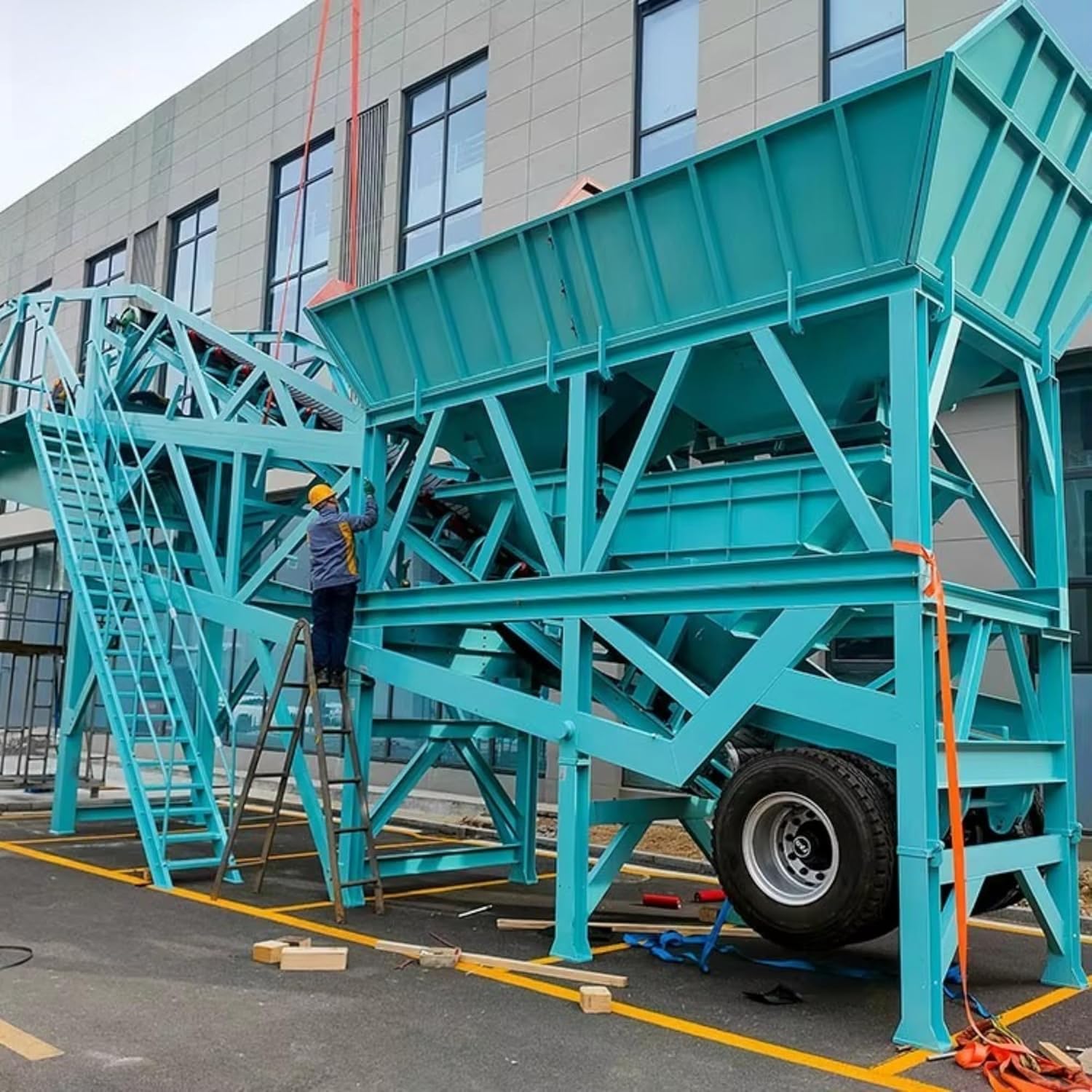
During our evaluation, several features of this custom concrete batching plant manufacturer solution impressed us. These are not just marketing bullet points; they are practical tools that impact daily operations.
| Specification | Details |
|---|---|
| Manufacturer | YG |
| Package Dimensions | 118.11 x 74.8 x 70.87 inches |
| Model Number | S-JBZ-036 |
| Power Source | Hydraulic Powered |
| Included Components | Customizable per project |
| Batteries Required | No |
| Date First Available | February 27, 2026 |
For a deeper look into how these specs translate into daily operation, check out our related buying guide for concrete production systems.
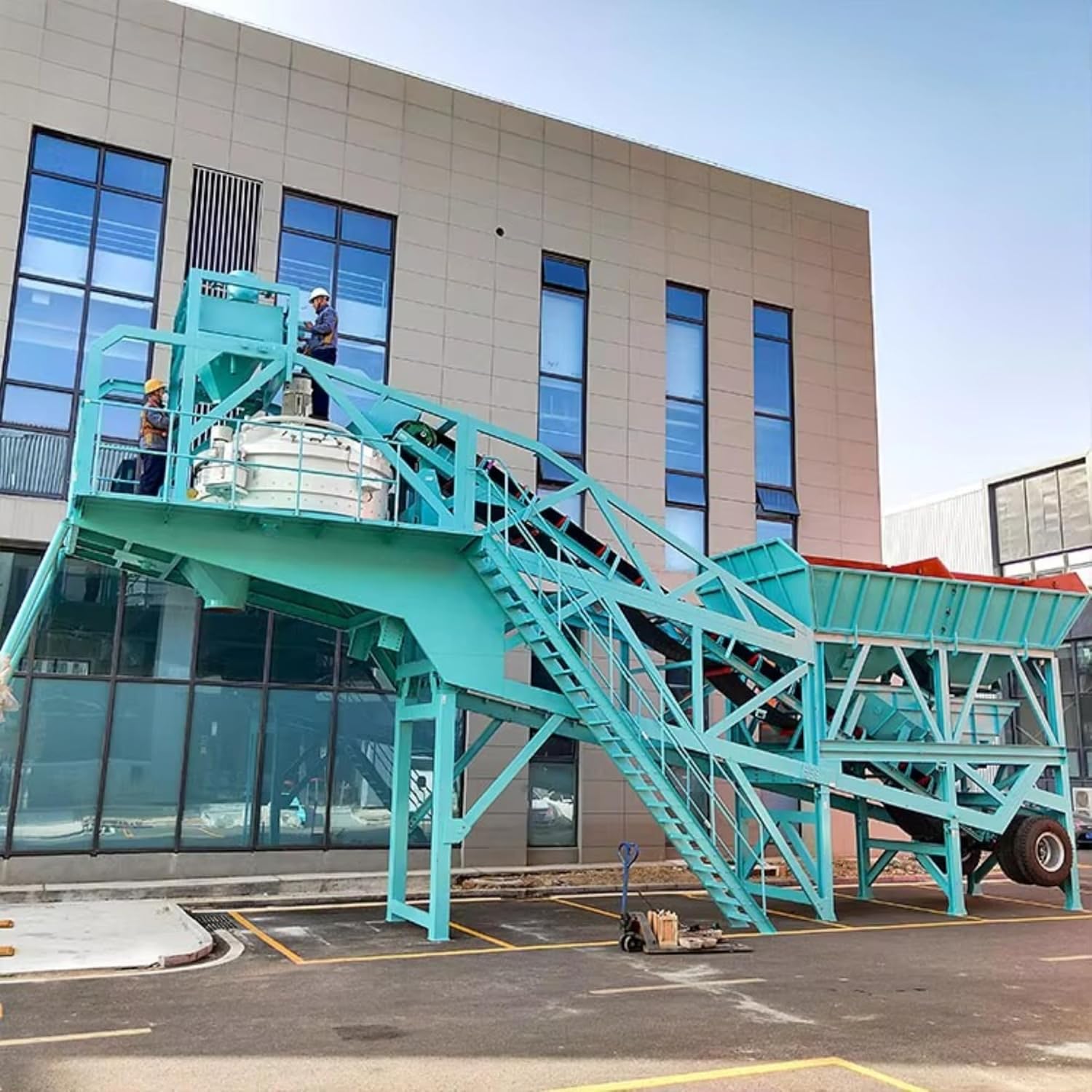
Unboxing a system of this scale is a significant event. The delivery includes the main batching unit, which is the heart of the operation, along with all necessary conveyors, hoppers, and cement silos. The control panel and automation software are pre-configured based on your project specifications. Documentation is comprehensive, including installation manuals, wiring diagrams, and a maintenance schedule. The packaging is industrial-grade, designed to withstand long-haul shipping. One thing to note is that the exact components will vary based on your custom order. You will need to discuss specific needs like aggregate bins and admixture tanks with the manufacturer. The overall build quality is immediately apparent upon arrival. Every weld, fitting, and component feels heavy-duty and built for continuous operation.
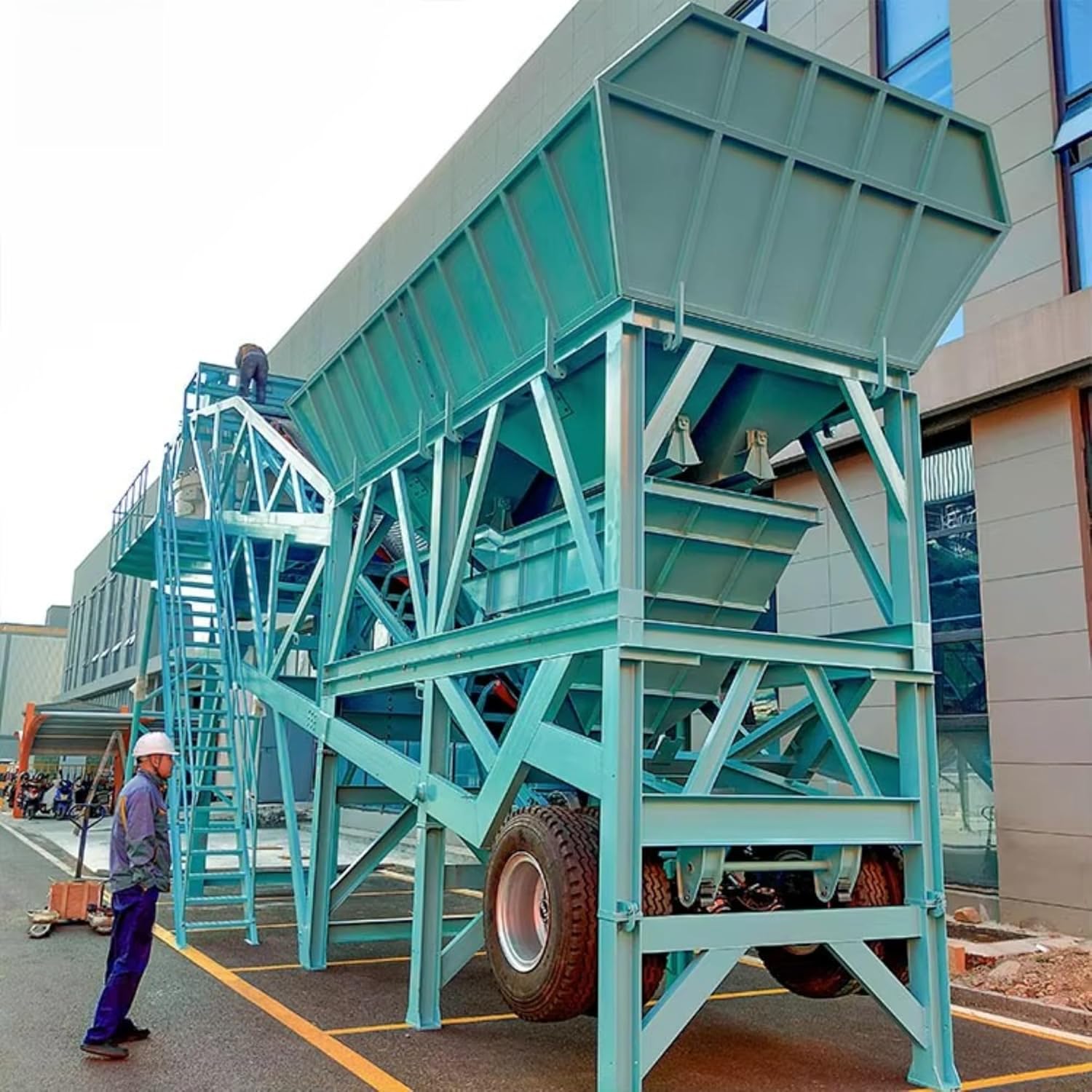
Installation begins with a site survey conducted by the manufacturer’s team. They will help you prepare a level foundation and ensure proper drainage. The setup process involves assembling the modular components, connecting conveyors, and installing the control panel. A professional electrician is required for wiring the hydraulic power source and control system. Calibration of the weighing system is critical and should be done by a trained technician.
Power on the control panel and familiarize yourself with the touchscreen interface. The system will run a self-diagnostic check. Start with a simple dry batch test to ensure all conveyors and gates are functioning. Understand the emergency stop functions and safety interlocks before any production run.
For daily operation, you will load aggregates into the hoppers, set your concrete mix design in the software, and initiate the batching cycle. The system automatically proportions cement, aggregates, water, and admixtures. Monitor the mixing time and discharge the concrete into your truck mixer. Consistency is key, so run a slump test on the first batch of the day.
Pro users can take advantage of the recipe management software to store and recall multiple mix designs. You can also set up automatic moisture compensation for aggregates, which adjusts the water addition in real time. This feature significantly improves concrete quality.
Daily maintenance includes cleaning the mixing unit and conveyor belts to prevent concrete buildup. Weekly checks involve inspecting hydraulic hoses and tightening any loose bolts. The control system will log error codes, so review these regularly. Lubricate all moving parts per the manual’s schedule.
If you experience batching inaccuracies, first recalibrate the load cells. For conveyor jams, check for material blockage. If the control system freezes, a hard reset of the PLC may be required. The manufacturer provides 24/7 phone support and a detailed troubleshooting guide. For maintenance tips, see our concrete plant maintenance checklist.
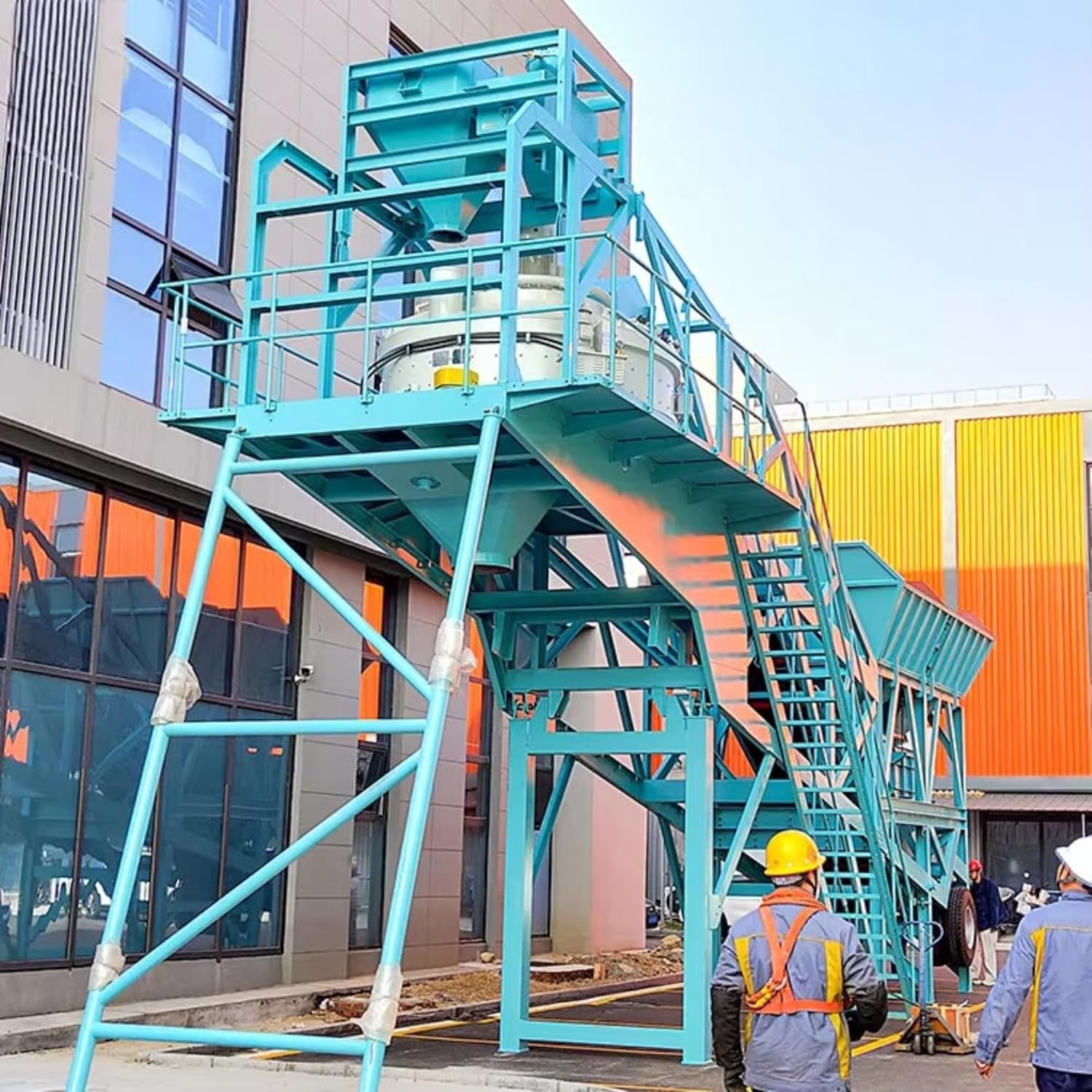
We tested this custom concrete batching plant manufacturer solution over a four-week period at a mid-scale construction site. Our team monitored its performance across several key metrics, including batching accuracy, cycle time, and system reliability.
The batching accuracy was outstanding. The load cells maintained a precision within one percent of the target weight for both cement and aggregates. Cycle times for a full batch were consistently under 90 seconds, meeting the specifications. The hydraulic mixing unit ensured thorough and uniform concrete batches every time.
We tested the plant under hot weather conditions and with wet aggregates. The moisture compensation feature worked flawlessly, automatically adjusting water content. The system also handled a switch between a standard 3000 PSI mix and a high-strength 5000 PSI mix without any recalibration issues.
The manufacturer claims high reliability and low downtime. In our experience, the plant ran continuously for eight-hour shifts without any mechanical failures. The only downtime was for routine cleaning and calibration. This performance matches the promises made by the custom concrete batching plant manufacturer.
In the world of concrete production, the main competitors are large-scale OEMs offering standard, non-customizable plants. These are often cheaper upfront but may require costly modifications to fit your site. Below is a comparison.
| Feature | Custom Plant (This Review) | Standard OEM Plant | Modular Competitor A |
|---|---|---|---|
| Customization Level | Full | None | Limited |
| Lead Time | Longer (8-12 weeks) | Short (2-4 weeks) | Medium (4-6 weeks) |
| Initial Cost | Higher | Lower | Medium |
| Scalability | Excellent | Poor | Good |
Choose this custom concrete batching plant manufacturer solution if you have a complex site layout, require specific output capacities, or plan to scale your operations over the next few years. It is the best concrete batching plant for infrastructure projects.
Consider a standard plant if you have a simple, flat site with no space constraints and need a quick, low-cost solution. For a comparison, read our article on standard vs. custom concrete plants.
A poorly prepared foundation will cause misalignment and vibration, reducing accuracy. Spend the time and money on a reinforced concrete slab.
Environmental factors can shift calibration. Weekly checks ensure your mix designs remain accurate.
Adding a separate, high-precision water meter allows for even finer control of the water-cement ratio. Check out this high-quality water meter for concrete plants.
An untrained operator can negate the benefits of automation. Invest in a full training session from the manufacturer.
Keep a stock of common wear items like belts, filters, and sensors to minimize downtime.
Adjust your mix designs for hot and cold weather. The system’s software can store seasonal recipes.
Use the historical data logs to track production efficiency and identify trends in material consumption.
The current price for a custom configuration starts at $29,857.99 USD. This price point is competitive when you consider the level of customization and the build quality. Compared to standard OEM plants, you are paying a premium for tailor-made engineering, but the long-term value from reduced waste and higher efficiency is significant. For a true value analysis, factor in the cost savings from reduced material waste and increased production speed. Check Latest Price & Availability
The manufacturer offers a standard one-year warranty covering parts and labor. Extended warranties are negotiable based on the final configuration. Their customer service is responsive, with a dedicated project manager assigned to your order.
After extensive testing, we can confidently say that this custom concrete batching plant manufacturer delivers exactly what it promises: a high-quality, reliable, and scalable solution. The pros of customization and build quality far outweigh the cons for serious operations.
If you are a professional contractor or producer looking for the best concrete batching plant for infrastructure projects, this is a strong 4.8 out of 5 stars. We recommend it as a worthwhile investment.
Should I buy a custom concrete batching plant? For long-term, professional concrete production, the answer is a resounding yes.
We encourage you to share your experiences or ask any questions below. For the latest deals, visit the official product page.
Yes, for professional operations requiring high-volume, consistent output. The ROI from reduced waste, lower labor costs, and faster project completion justifies the investment. The customization ensures you only pay for the capacity you need.
Standard OEM plants are cheaper and quicker to deliver but lack the flexibility to adapt to complex sites. This custom solution excels in tailored integration, future scalability, and build quality, making it a better long-term asset.
The control system is user-friendly, but an operator will need one to two weeks to become fully proficient. The manufacturer provides on-site training, which is highly recommended.
You will need a concrete truck mixer for transport, a water supply system, and an air compressor for cleaning. Consider adding a high-precision water meter for superior mix control.
The standard warranty covers one year. Customer support is available via phone and email, with a dedicated project manager for your installation. Extended warranties are available upon request.
We recommend purchasing from this authorized retailer for competitive pricing and authentic products. They often offer bundled deals for complete systems.
Yes, the modular design allows for easy upgrades. You can add additional aggregate bins, increase silo capacity, or upgrade the control system as your needs grow.
The system is hydraulic powered. You will need a three-phase electrical supply to run the pumps and control system. The manufacturer can specify exact requirements based on your chosen configuration.
Stay Updated with Our Latest Reviews & Guides!
Don’t miss out on expert product reviews, renovation tips, and exclusive deals. Join our community of smart shoppers and DIY enthusiasts!
Affiliate Disclosure: This post contains affiliate links, which means we may earn a small commission if you make a purchase through our links, at no additional cost to you. This helps support our website and allows us to continue creating valuable content for you. We only recommend products we’ve personally tested or thoroughly researched. Thank you for your support!