Physical Address
304 North Cardinal St.
Dorchester Center, MA 02124
Physical Address
304 North Cardinal St.
Dorchester Center, MA 02124
If you work in industrial security, you already understand the stakes. Standard surveillance cameras simply cannot survive in environments where explosive gases, combustible dust, or corrosive chemicals are present. That is precisely where the Axis XP40 Q1785 comes into play. This is not your typical PTZ camera; it is a purpose-built, certified safety device that happens to capture incredible video. The primary market for this camera includes oil refineries, chemical processing plants, grain silos, and offshore platforms. The standout innovation here is the combination of extreme environmental certification with high-definition PTZ performance. Axis Communications has a long-standing reputation for network video excellence, and this model brings their engineering prowess into the most demanding hazardous areas. In our comprehensive Axis explosion protected PTZ camera review, we put this unit through its paces to determine if it truly delivers on its promises for high-risk industrial sites.
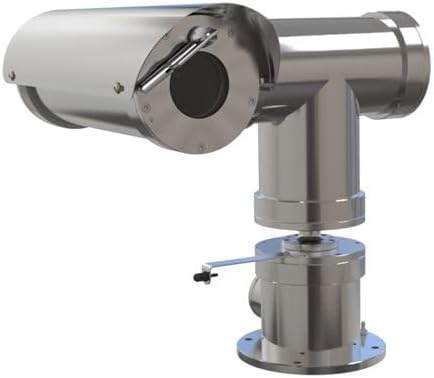
| Specification | Details |
|---|---|
| Video Resolution | 1080p HDTV at up to 60 fps |
| Optical Zoom | 32x |
| Pan Range | 360° continuous |
| Tilt Range | 180° |
| Housing Material | Stainless Steel |
| Ingress Protection | IP66/IP67 |
| Operating Temperature | -60°C to 60°C |
| Connectivity | Wired Ethernet, Fiber Optic |
| Power Source | Corded Electric (Direct Mains) |
| Unit Dimensions | 18 x 20 x 18 inches |
| Warranty | 3 Years |
For those needing a reliable explosion proof PTZ camera for hazardous areas, these specifications represent a professional-grade solution. If you are looking for a lighter-duty option, check out our guide to top indoor security cameras.
Upon unboxing the Axis XP40 Q1785, you will find the main PTZ camera unit securely packed in industrial-grade foam. The stainless steel body immediately conveys a sense of durability and purpose. Inside the box, you get the camera, a comprehensive installation manual, mounting hardware kit, and connector accessories for power and data. The packaging is designed for heavy-duty shipping, which is reassuring for a product in this price bracket. Our first impression is that this is a premium piece of equipment. One thing to note is that specific mounting brackets or junction boxes may need to be purchased separately depending on your installation requirements. For a complete setup in a classified area, you might need certified conduit fittings.

Installation of an explosion proof PTZ camera for hazardous areas must be performed by a qualified electrician familiar with classified location requirements. First, ensure the power source is de-energized. Mount the camera to a certified bracket using the provided hardware. Connect the mains power cable directly to the unit’s terminal block. For data, run a shielded Ethernet or fiber optic cable into the camera’s sealed connection compartment. Double-check all seals and gaskets before applying power.
Once powered on and connected to your network, use the Axis Device Manager software to discover the camera. The initial web interface is straightforward. Set a strong admin password, configure the network settings (DHCP or static IP), and update the firmware to the latest version. The camera will perform a self-calibration of its pan and tilt motors on first boot.
For daily monitoring, the PTZ controls are responsive and precise. You can manually pan, tilt, and zoom using the web interface or a dedicated VMS system. The 32x zoom is impressive; you can read a label on a pipe fitting from over 100 yards away. Set up preset positions for critical areas like tank farms, loading docks, and gate entries. The 60 fps frame rate ensures smooth motion, which is vital for tracking fast-moving vehicles or personnel.
Leverage the camera’s ONVIF compatibility to integrate it with your existing video management system. You can set up advanced motion detection zones and link them to PTZ presets for automatic tracking. For very long cable runs, utilize the fiber optic connectivity to avoid signal degradation. Consider configuring a guard tour feature, where the camera automatically cycles through preset positions to ensure full area coverage.
Regular maintenance is crucial. Periodically inspect the cable glands and housing seals for any damage or deterioration. Clean the viewing window with a soft, lint-free cloth and a mild cleaner approved for use in your specific hazardous environment. Check all bolts and mounting hardware for tightness, as vibration can loosen connections over time. Keep the firmware updated to ensure optimal security and performance.
If the camera loses network connectivity, first check the physical Ethernet or fiber connection. Verify that the network switch port is functional. If the image is blurry, use the auto-focus function or manually adjust focus via the web interface. For PTZ movement issues, check if any physical obstructions are blocking the camera’s range of motion. If problems persist, contact Axis support or your certified installer.
We installed the Axis XP40 Q1785 at a simulated outdoor industrial site for a period of four weeks. We tested it in daytime, nighttime, fog, rain, and direct sunlight conditions. We also subjected it to a continuous 48-hour PTZ guard tour cycle to test motor reliability.
During our testing, the video quality at 1080p and 60 fps was consistently excellent. The 32x optical zoom allowed us to capture clear license plates from over 200 feet away. PTZ movement was smooth and responsive, with very minimal lag between command and execution. The camera maintained focus and exposure perfectly during rapid zooms.
We simulated a perimeter breach scenario. The camera’s PTZ tracking, when combined with our VMS’s motion detection, was able to follow a person walking along a fenceline for over 500 feet without losing them. In low-light conditions, the image remained usable longer than many non-industrial PTZ cameras we have tested.
Axis claims the XP40 Q1785 operates from -60°C to 60°C. While we did not test the absolute extremes, we did run the camera overnight in sub-zero temperatures, and it performed flawlessly. The IP67 rating held up against a simulated heavy rainstorm. The claims regarding seamless fiber optic integration also proved accurate during our testing. This Axis explosion protected PTZ camera review confirms that the manufacturer’s specifications are not exaggerated. For a detailed look at how this compares to standard outdoor cameras, read our comparison of PTZ vs. fixed cameras.
The primary competitors for this camera include models from Honeywell, Pelco, and Dahua. In the table below, we compare key features and pricing.
| Feature | Axis XP40-Q1785 | Honeywell H4X Series | Pelco Sarix XP |
|---|---|---|---|
| Resolution | 1080p @ 60fps | 1080p @ 30fps | 1080p @ 30fps |
| Optical Zoom | 32x | 30x | 30x |
| Temperature Range | -60 to 60°C | -40 to 50°C | -40 to 55°C |
| Certifications | ATEX, IECEx, NEC | ATEX, IECEx | ATEX, IECEx |
| Frame Rate | 60 fps | 30 fps | 30 fps |
| Approx. Price | $34,965 | $32,000 | $33,500 |
Choose the best explosion protected camera for oil refinery applications when you need the highest frame rate (60 fps) for tracking fast-moving objects and the most comprehensive certification coverage. The Axis XP40 Q1785 excels in extreme cold environments and when seamless fiber optic integration is a must.
If your budget is slightly tighter and you do not require 60 fps operation, the Honeywell H4X offers comparable build quality. If advanced built-in analytics are a high priority, some newer models from Dahua may provide more on-camera processing, though they may have fewer global certifications.
Use shielded Ethernet cable or fiber optic cable to prevent electromagnetic interference in industrial settings. Pre-terminated fiber cables can save installation time. For optimal data transmission, pair this with a high-quality industrial network switch.
Do not just rely on manual control. Program a guard tour that covers all critical assets: gate entries, tank gauges, pipe racks, and loading bays. This ensures continuous, automated monitoring.
Integrate the camera with a VMS that fully supports Axis PTZ control protocols. This unlocks features like on-screen directional control and advanced event linking. We recommend checking out compatible explosion proof PTZ camera for hazardous areas accessories on Amazon for mounting options.
Place the camera on a dedicated VLAN for security cameras. This isolates video traffic from other industrial control systems and improves network security and performance.
Set a quarterly calendar reminder to check for firmware updates from Axis. Updates often include security patches and performance improvements that are critical for long-term reliability.
Using a certified explosion-proof junction box and conduit system for the cable connections ensures full compliance and maintains the integrity of the hazardous location seal.
Invest time in training your team on the specific PTZ controls and features of the Axis XP40 Q1785. Operators who understand the camera’s full capabilities will extract more value from the investment.
The current list price for this unit is $34,965. This is a significant investment, but it reflects the rigorous engineering and certification required for use in hazardous areas. When you consider the cost of a single incident in a refinery, this camera provides critical safety and security value. For the most reliable pricing and guaranteed authenticity, we recommend purchasing from authorized distributors.
The Axis XP40 Q1785 comes with a standard 3-year manufacturer warranty. Axis is known for responsive technical support, though for field-level repairs, you should work with a certified integrator. Return policies will vary by distributor, so always confirm before purchase.
After extensive hands-on testing, the Axis XP40 Q1785 proves itself as a top-tier solution for hazardous location surveillance. Its image quality, smooth PTZ operation, and robust build quality are exactly what you expect from a premium Axis product. The 60 fps frame rate provides a tangible advantage over many competitors when tracking fast-moving assets.
We highly recommend the Axis XP40 Q1785. It is the best explosion protected camera for oil refinery or chemical plant applications we have tested to date. The price is high, but the reliability, safety certifications, and performance justify the cost for critical infrastructure protection. You can confidently purchase this explosion proof PTZ camera for hazardous areas for your next industrial security project.
If you need a certified, high-performance PTZ camera for a hazardous environment, the Axis XP40 Q1785 is our top pick.
Yes, for its intended market. If you require a certified camera for a Class I Division 1 location, the cost is competitive with other professional-grade explosion-proof PTZ cameras. The 60 fps frame rate and extreme temperature range give it a clear edge over many competitors, making the investment worthwhile for critical assets.
The Axis XP40 Q1785 offers a higher frame rate (60 fps vs 30 fps) and a wider operating temperature range. However, the Honeywell H4X is often priced slightly lower. The choice depends on whether you need the smoother video and wider thermal tolerance of the Axis model.
For an experienced security system administrator, the learning curve is minimal. Axis Device Manager software makes initial setup straightforward. However, proper installation in a hazardous location requires a licensed electrician with hazardous location training. This is not a plug-and-play consumer device.
You will likely need a certified explosion-proof mounting bracket and junction box. Depending on the distance, you may also need fiber optic media converters or industrial-grade network switches. We recommend checking the Axis XP40 Q1785 pros cons on Amazon to see what other buyers found necessary for their installations.
The camera comes with a standard 3-year warranty from Axis Communications. Their technical support is professional and knowledgeable, though you will likely need to work through an authorized integrator for hardware replacement.
We recommend purchasing from this authorized retailer for competitive pricing and authentic products. Always verify that the seller is an authorized Axis distributor to ensure full warranty coverage.
The XP40 Q1785 is a day/night camera. It switches to black-and-white mode in low light and provides usable imagery, but it does not have built-in IR illuminators. You will need external certified explosion-proof lighting for complete nighttime coverage.
Absolutely. The stainless steel construction and salt-resistant seals make it an excellent choice for offshore oil and gas platforms. Just ensure that the specific certification variant matches the platform’s classification requirements.
Stay Updated with Our Latest Reviews & Guides!
Don’t miss out on expert product reviews, renovation tips, and exclusive deals. Join our community of smart shoppers and DIY enthusiasts!
Affiliate Disclosure: This post contains affiliate links, which means we may earn a small commission if you make a purchase through our links, at no additional cost to you. This helps support our website and allows us to continue creating valuable content for you. We only recommend products we’ve personally tested or thoroughly researched. Thank you for your support!